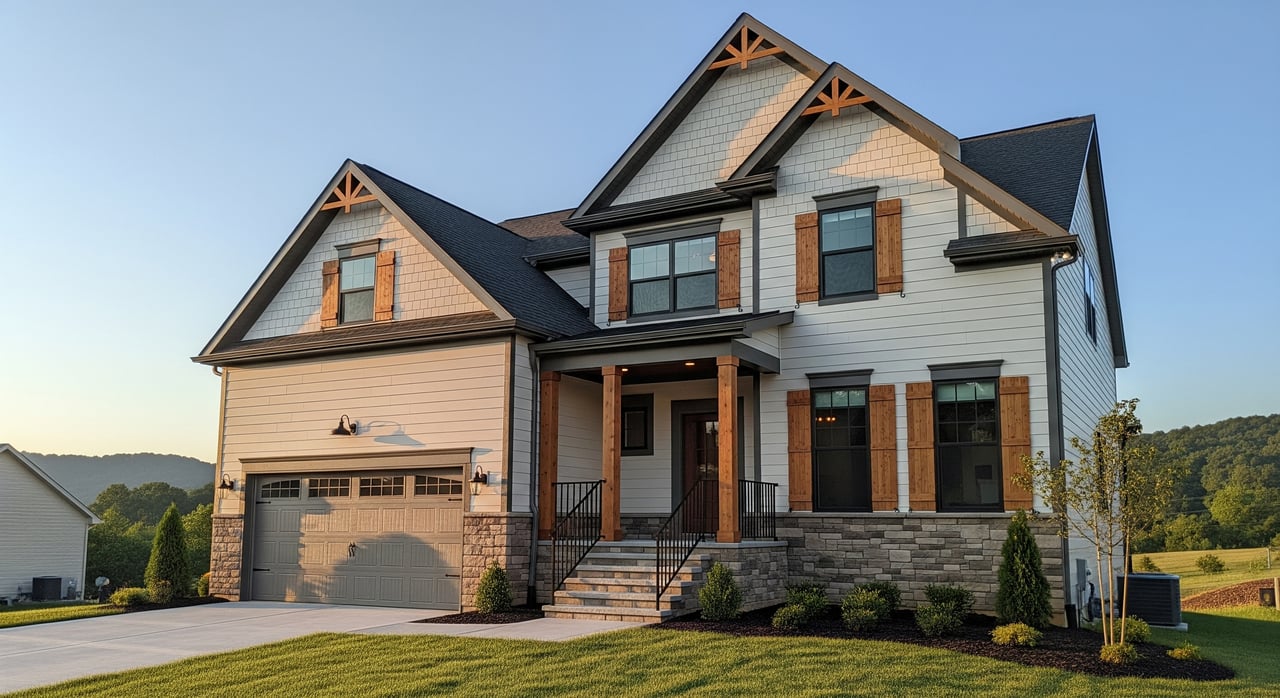
Planning a fresh coat of paint, a new fence, or a patio in Fairfax Crossing? You want a clean, stylish upgrade that also keeps you in good standing with the HOA and local rules. With a little prep, you can boost curb appeal, avoid delays, and stay compliant from day one. In this guide, you’ll learn which projects usually need HOA review, how trash and staging rules affect your timeline, and the exact steps to contact the right offices before you start. Let’s dive in.
Know your HOA rules first
Before you pick a color or order materials, confirm the Fairfax Crossing governing documents. Most exterior standards live in your community’s Declaration of Covenants, Conditions & Restrictions (CC&Rs), Architectural Guidelines, and rules and regulations. You’ll also want the current ACC or ARB application and any fee schedule. These documents control appearance, materials, and the approval process.
Start here to request copies:
- HOA or management company: Ask for the CC&Rs, Architectural Guidelines, ACC application, fee schedule, and ARB/ACC contact details.
- Your closing or welcome packet: It often includes the CC&Rs.
- Jefferson County land records: Recorded CC&Rs are public and can be pulled by legal description.
- Your title company or closing agent: They typically keep a copy.
- Neighbors or the HOA board chair: Helpful for common contractor choices and recent precedent approvals.
If you can’t locate the documents, pause the project. Unauthorized exterior changes can lead to fines or removal requirements. Also check city and county permits. For projects in Ranson, contact City of Ranson Building & Zoning and Jefferson County Permitting. For large grading or drainage work, the West Virginia Department of Environmental Protection (WVDEP) may apply.
Projects that trigger HOA review
Most HOAs review changes that affect exterior appearance, sightlines, or shared infrastructure. Below are common categories and what reviewers typically look for.
Painting: body, trim, doors, shutters
Expect a review of color palette, placement of accent colors, and finish. HOAs often keep an approved color list with exact manufacturer codes. If you’re replacing siding along with painting, that can trigger additional review.
What to submit:
- Completed ACC form
- Color chips or manufacturer names/codes
- Photos of your home and neighboring homes
- Contractor name and timeline
Tips for faster approvals:
- Neutral palettes often move quicker.
- Some boards request a small sample area on your home for context.
- Allow 14 to 30 days for review unless your HOA states otherwise.
Fences: placement, height, and style
Boards look at location, height, style, and finishes. Front yards often face more restrictions. Chain link is frequently limited, while certain picket, composite, or iron styles may be preferred depending on your rules.
What to submit:
- Site plan showing fence location relative to property lines and easements
- Elevation drawings and material samples
- Contractor info and proposed stain/paint
Key checks:
- Utility easements: Fences are often prohibited in public utility easements. Verify your plat.
- Driveways and corners: Sight triangles near sidewalks and intersections can limit fence height.
Hardscape: patios, walkways, and retaining walls
Reviews focus on visible materials, color, grade changes, and drainage. The board will consider how your plan affects runoff and your neighbor’s property.
What to submit:
- Site plan with proposed materials and colors
- Cross-sections for retaining walls
- Drainage/erosion control details if slopes are involved
- Contractor and schedule
Permits and practical notes:
- Retaining walls above certain heights and major grading may require city or county permits. If stormwater thresholds are met, WVDEP rules can apply.
- Many boards ask that pavers complement the home. Bright or high-contrast colors may be rejected.
Other exterior items that usually need review
- Shutters or shutter removal
- New windows or exterior doors
- Decks and screened porches
- Exterior lighting
- Satellite dishes and antennas
- Visible landscaping changes
- Sheds and outbuildings
- Replacement roofing materials and colors
- Solar panels: Many HOAs allow panels with placement and hardware visibility conditions. Also confirm local permits.
Trash, recycling, and staging rules
Your project’s temporary setup can affect both compliance and curb appeal. Plan debris handling, dumpster placement, and crew parking before work begins.
Common HOA rules to know
- Visibility and placement: Many HOAs restrict visible debris piles, open dumpsters, material stacks, and work vehicles in front of homes or on common areas.
- Time windows: Some limit how long dumpsters or materials can remain on-site.
- Prohibited areas: Avoid sidewalks, common spaces, and narrow gaps between townhome units.
- Safety and liability: Contractors may need to show proof of insurance or permission to use common areas.
- Enforcement: Violations can bring fines and immediate removal orders.
City and county waste guidelines to check
- Regular pickup days: Learn your municipal trash and recycling schedule to keep containers accessible and avoid conflicts.
- Bulk item rules: Use approved bulk pickup programs where allowed. Do not place construction debris for standard municipal pickup unless permitted.
- Roll-off dumpsters: Street placement or any obstruction may require a permit from the City of Ranson or Jefferson County. Confirm before delivery.
- Recycling limits: Construction debris is usually not allowed in curbside recycling. Keep jobsite waste streams separate.
- Hazardous materials: Oil-based paints, solvents, adhesives, and roofing tars require special handling. Follow WVDEP guidance for disposal.
Staging to protect curb appeal
- Preproject coordination: Notify neighbors and the HOA of dates and contractor contacts. Order dumpsters only after confirming placement rules and permits.
- Placement and pickups: Use covered dumpsters when possible. Place on the driveway if allowed. Schedule frequent pickups during heavy demolition.
- Jobsite sorting: Keep household recycling separate. Provide a crew trash bin and a separate bin for recyclable packaging.
- Cleanup: Sweep daily, keep materials tarped, and restore lawn edges promptly. Remove contractor signs and portable toilets when work is complete if long-term placement is restricted.
Your pre-start checklist
Use this simple sequence to get your project approved and running smoothly:
- Gather documents
- Request Fairfax Crossing CC&Rs, Architectural Guidelines, and the ACC application.
- If needed, pull recorded CC&Rs from Jefferson County or check your closing packet or title company files.
- Confirm permits
- Contact City of Ranson Building & Zoning and Jefferson County Permitting for thresholds on fences, retaining walls, patios, and driveways.
- Build a complete ACC packet
- Completed ACC/ARB form
- Site plan or plat showing property lines and proposed locations
- Photos of current conditions and neighboring homes
- Material samples and color chips with manufacturer names and codes
- Contractor name, proof of insurance, start and finish dates
- Staging plan for dumpsters and crew parking
- Drainage/erosion notes if grading or retaining walls are included
- Plan debris and recycling
- Decide on contractor hauling or a roll-off rental.
- Confirm disposal plans for hazardous materials and recycling rules.
- Notify early
- Share your start date and staging plan with neighbors and the HOA. Provide emergency contacts for the contractor.
Who to contact and what to ask
Follow this path to line up approvals and avoid surprises:
- HOA or management company
- Ask for the CC&Rs, Architectural Guidelines, ACC application, fee schedule, and ARB meeting schedule.
- Confirm any rules on dumpsters, contractor parking, and material staging.
- Ask if a preferred or approved contractor list exists.
- ARB/ACC chair or a board member
- Request guidance on precedent approvals and common conditions for similar projects. A brief pre-submittal chat can save time.
- City of Ranson Building & Zoning
- Confirm building permits, right-of-way questions, and any permit for street or sidewalk obstruction.
- Jefferson County Permitting / Clerk’s Office
- Verify recorded CC&Rs if needed and confirm permit thresholds for projects under county review.
- WVDEP or county solid waste authority
- Clarify disposal of hazardous materials and stormwater controls if your project involves larger earthwork.
- Your contractor
- Confirm insurance, cleanup responsibilities, and agreement to follow HOA and municipal rules in writing.
Timeline and approval tips
- Submit 30 days before you plan to start. Some HOAs decide in 14 to 30 days, but a 30-day buffer helps.
- Expect small adjustments. Be ready to tweak a fence height, shift a patio edge, or select a nearby paint color.
- Keep records. Save email confirmations, stamped approvals, and any permit receipts in one folder.
- Stage thoughtfully. Covered dumpsters, tidy pallets, and daily sweeping protect curb appeal during multi-week projects.
- Finish strong. Remove temporary facilities promptly and restore lawns and edges right away.
The bottom line for Fairfax Crossing
If you confirm your Fairfax Crossing rules, build a complete packet, and line up permits before materials arrive, you’ll move quickly and avoid costly do-overs. Keep debris handling and staging clean and compliant, and you’ll protect both your timeline and your curb appeal. When you follow these steps, your exterior upgrade becomes a smooth, well-managed project that adds value and looks great from day one.
Ready to plan your upgrade or prep your home for market in Ranson? Schedule a free consultation with Unknown Company to talk through your goals and next steps.
FAQs
How HOA approvals work in Fairfax Crossing
- Most exterior changes need an ACC/ARB review. Submit a complete packet at least 30 days before your start date to allow for questions and adjustments.
What to know about dumpsters in Ranson
- Street placement or any sidewalk obstruction can require a permit. Confirm rules with City of Ranson and your HOA before the dumpster is delivered.
Fence height and location basics
- Expect tighter limits in front yards and special rules near driveways and corners for visibility. Verify height, style, and easements on your plat before you submit.
Paint color approvals for exteriors
- Many HOAs keep approved color palettes and may request color chips or a small sample area. Neutral palettes tend to review faster.
Permits for retaining walls and patios
- Taller retaining walls, major grading, or added impermeable surface may require city or county permits. Stormwater thresholds can trigger WVDEP rules.
Can I install solar panels in Fairfax Crossing?
- Many HOAs allow solar with placement and hardware visibility conditions. Check both HOA guidelines and local permit requirements before you proceed.